Pierpaolo Piccioli Exits Balenciaga After Sixteen Months and a Single Couture Season
Kering confirmed on November 5 that Pierpaolo Piccioli is leaving Balenciaga, ending a tenure that began in July 2025 and staged its last runway, a coral-themed show, in October. in this story Balenciaga Pierpaolo Piccioli Kering Luca de Meo The announcement ran to two short quotes and a single line about the future. On […]
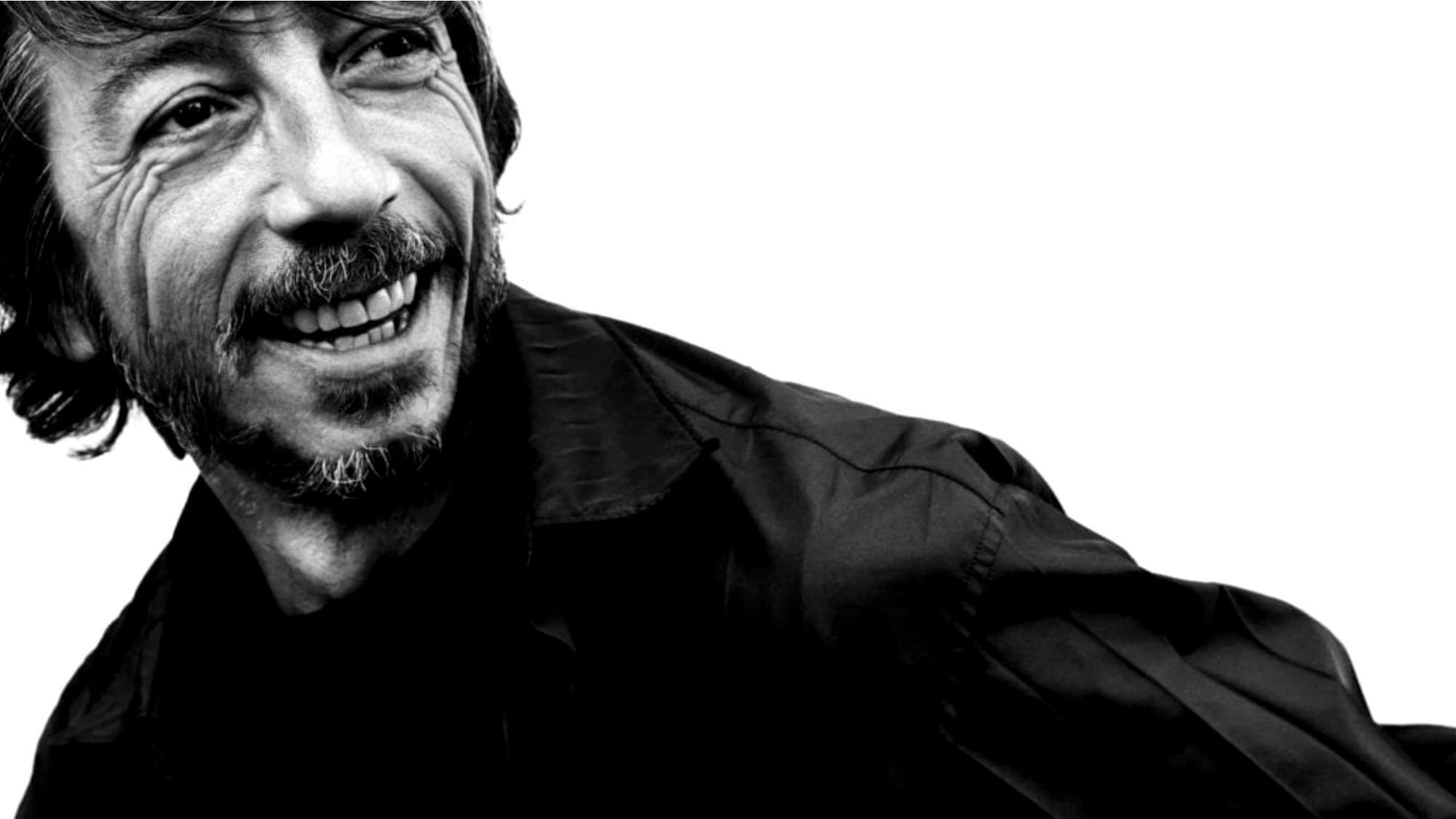
Kering confirmed on November 5 that Pierpaolo Piccioli is leaving Balenciaga, ending a tenure that began in July 2025 and staged its last runway, a coral-themed show, in October.
The announcement ran to two short quotes and a single line about the future. On Thursday, November 5, Kering issued a press release on behalf of Balenciaga confirming that Pierpaolo Piccioli would leave his post as creative director of the Paris house, roughly sixteen months after he started. The text gave no reason for the exit and no final day, and it did not name a successor.
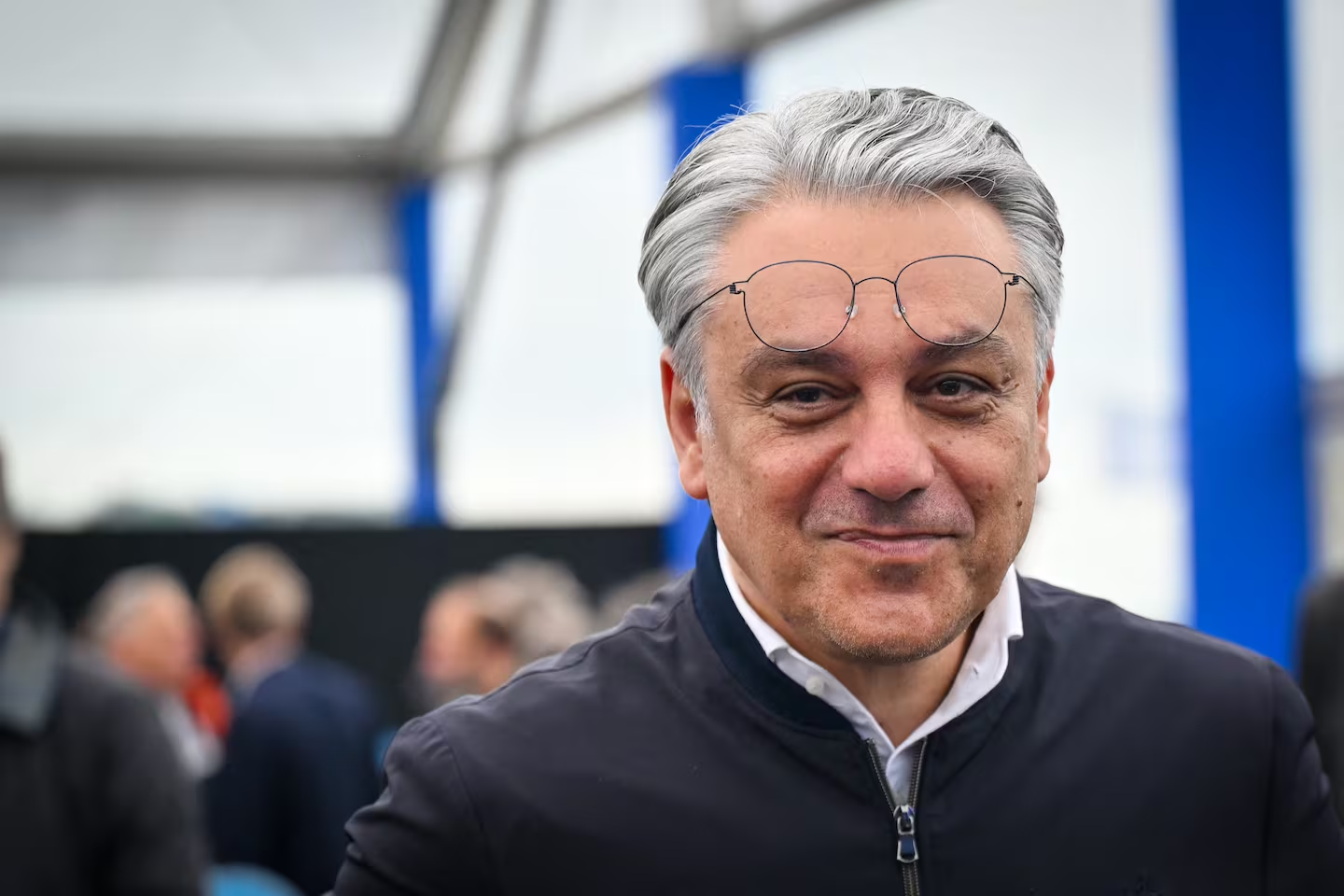
Balenciaga’s president and chief executive, Gianfranco Gianangeli, credited Piccioli with steering the house back toward its couture roots through close attention to craft, cut and construction, and thanked him for his commitment and generosity as a collaborator. Luca de Meo, Kering’s chief executive, called him “an exceptional couturier and creative talent for whom we have the greatest respect,” then turned to what comes next: building on what he described as the house’s avant-garde spirit while honoring its heritage and continuing to push creative limits.
The word Kering reached for when describing the future was avant-garde. The word Piccioli built his tenure on was couture.
stir
Piccioli came to Balenciaga with one of the deepest résumés of his generation. He spent the 1990s at Fendi before moving to Valentino in 1999, and he stayed with the Roman house for 25 years, sharing the creative director title with Maria Grazia Chiuri from 2008 and running it alone from 2016. The pair shared the CFDA International Award in 2015. His Valentino run included the saturated pink collection of 2022 that fed the Barbiecore moment, and it ended with a show presented entirely in black. Kering itself had bought a 30 percent stake in Valentino in July 2023, so Piccioli’s path had already crossed into the group’s orbit before he joined it. He and Valentino announced their split in March 2024, and he spent more than a year without a house.
Kering named him to Balenciaga on May 19, 2025, with the appointment taking effect on July 10. He replaced Demna, who had spent a decade making Balenciaga one of the most discussed labels in fashion before moving across the group to Gucci in a reshuffle of Kering’s creative stable. The remit was broad, covering womenswear, menswear, accessories and couture. In his own statement at the time, Piccioli described what he was inheriting as “a brand full of possibilities that is incredibly fascinating” and thanked Demna for the transition.
The timing of that hire matters now. Piccioli was appointed under Kering’s previous leadership. De Meo, a former Renaultchief executive with a reputation for turnarounds, was named to the job the following month and took office in September 2025, which means the designer now leaving was one he inherited rather than one he chose.
three
The debut came on October 4, 2025, inside the former Laennec hospital on rue de Sèvres, the Left Bank complex where Kering keeps its headquarters and where Balenciaga had hosted a retrospective of Demna’s decade a few months earlier. Guests received their invitations as 1980s-style cassette players loaded with a recording of a heartbeat, and the collection took that sound as its title: The Heartbeat. The idea, as Piccioli framed it, was a rhythm everyone shares even though no two hearts keep exactly the same time. The first look reworked Cristóbal Balenciaga‘s 1957 sack dress, and the show notes summed up the approach in one line: “The meaning of Balenciaga is a methodology.” A newly developed fabric, neo gazar, updated the stiff silk gazar that once gave the founder’s couture its structure. Piccioli took his bow in chunky sneakers from the Demna years, in front of a room that included Meghan, Duchess of Sussex, and Anne Hathaway.
In February 2026 the house released Piccioli’s first campaign, built around both the debut and the autumn collection, Body and Being, which reached the runway in March. Autumn was darker and harder edged than spring, closer to rock than to romance, and its brown leather jackets in their many variations became one of the most visible Balenciaga pieces of the year, worn all over the street outside his October show.
The larger test came on July 8, 2026, when Piccioli finally showed couture, more than a year into the job. Balenciaga’s 55th couture collection was staged outdoors on a sweltering morning in a courtyard at the Cité internationale universitaire de Paris, the residential university campus in the 14th arrondissement. Balloon volumes, sack silhouettes and the three-dimensional construction that made Cristóbal’s name led the collection. It also carried forward a line with its own recent history. Demna had revived Balenciaga couture in 2021, more than half a century after the founder closed his house, and Piccioli’s season was the first in that revival not designed by him.
View this post on Instagram
His last runway turned out to be the Spring/Summer 2027 collection, shown on October 1, 2026, at the Tennis Club de Paris. Titled Les Coraux de la Liberté after a 2025 work by French artist Aude Franjou, the show was arranged around a large coral sculpture made from fabric, a nod to the coral necklace Piccioli always wears. A note left on each seat carried the line “No one shines alone.” The clothes took techniques from the couture season and applied them to denim, T-shirts, tailoring and leather for men and women, carrying atelier methods into the pieces most customers actually buy. Neo gazar came back as both outer fabric and hidden structure. At a preview, Piccioli told the critic Alexander Fury that the collection had grown up alongside the couture season, and he described couture as a laboratory of ideas, a phrase once used by Elsa Schiaparelli about her own work.
That puts his output at three ready-to-wear collections and one couture collection. A year ago Kering was openly pleased with the start. On the group’s earnings call in October 2025, chief financial officer Armelle Poulou described the debut as a refined Balenciaga that balanced couture craftsmanship with modern design and accessories.
What He Wrote on the Way Out
Piccioli did not leave the explanation to the press release, though he did not supply one either. Within hours of the announcement he posted his own statement on Instagram alongside images of his work in Paris. He described couture as a way of thinking and a point of view, said his education had come from looking, making and paying attention to others, and then offered the line most outlets led with: “Couture requires time and attention; it demands conviction and courage.”
The rest of the post read as a statement of principle. He wrote that a person’s identity and values are the only things they truly own, and that staying faithful to them is the way to meet whatever comes next. He suggested that nothing really ends so much as evolves. He quoted a line from Pier Paolo Pasolini that he says he always keeps close, about being taught not to shine and shining anyway, and closed with thanks to the hands, the care and the people who had walked the path with him.
There is a symmetry to where the farewell landed. When he was appointed in 2025, Piccioli pointed out that the very first post on that same Instagram account, years earlier, had been a 1967 wedding look by Cristóbal Balenciaga. Neither his post nor Kering’s release said why he was going, and he has not announced what he will do next.
View this post on Instagram
quant
The exit arrived two weeks after Kering’s third-quarter revenue update on October 22, the clearest official read on how Balenciaga had been trading. Group revenue for the quarter was €3,345 million, flat as reported and down 1 percent on a comparable basis, with Gucci down 6 percent comparable. Kering does not publish Balenciaga’s sales on their own, but its commentary said the house had held up in leather goods while ready-to-wear and shoes were still struggling.
Those are the categories a designer’s runway shapes most directly. They were also central to Balenciaga’s reach under Demna, whose sneakers and streetwear traveled far beyond the fashion week audience, so the handover to a couturier was always going to be tested hardest there.
In the same update, de Meo said Kering was “doubling down on the renewal of Balenciaga and Alexander McQueen.” The group has also been trimming its retail footprint, closing a net 105 stores across its houses in the first nine months of 2026 and raising its full-year target to at least 125. The turnover has not been confined to design studios either: over the summer Kering appointed Romain Spitzer as chief executive of Bottega Veneta, effective September 1, and installed new chief executives at two of its jewelry houses. The Piccioli announcement makes clear that at Balenciaga, renewal now means another change at the top of the design studio.
flow
Balenciaga is the third Kering house to lose its designer in under a month. On October 9, Saint Laurent announced that Anthony Vaccarello was leaving after ten years in charge, a run that began in April 2016 when he succeeded Hedi Slimane. The news came ten days after a Spring/Summer 2027 show at the Trocadéro in which most of the looks came in gold. In mid-October, Alexander McQueen followed with the departure of Seán McGirr, who had led the house since 2023 and whose final collection brought McQueen back to London Fashion Week in September. Each statement promised new creative leadership soon, and none named it.
Wire coverage of Piccioli’s exit framed it as the latest leadership change at a group trying to reverse several years of falling sales. Gucci, the biggest house in the portfolio, remains the priority in Kering’s own messaging, with its recovery described as the group’s defining task. Not every change follows weak trading, though: the same Q3 update listed Saint Laurent among the houses with solid momentum.
Speculation about the next Balenciaga designer has already settled on a name. Puck, which reported in late October that Piccioli was on his way out, has reported that Martine Rose will succeed him. Rose, a British-Jamaican designer with her own London label, spent several years as a menswear consultant at Balenciaga during the Demna era. Neither Kering nor Balenciaga has confirmed the report.
rel
Kering’s statement leaves several practical questions unanswered. It gives no final day for Piccioli and no indication of whether he will have any hand in collections already in development. The Spring/Summer 2027 pieces shown in October follow the usual calendar toward stores in early 2027, which means his last ready-to-wear for the house is likely to reach the shop floor after he has left it.
Piccioli turned 59 in August. His Balenciaga tenure, counted from July 10, 2025, lasted just under sixteen months and produced three ready-to-wear collections, one couture collection and one campaign. The release closed by promising that a new creative direction for Balenciaga would follow shortly.
Tags
Pierpaolo Piccioli, Balenciaga, Kering, Luca de Meo, Creative Director, Haute Couture, Paris Fashion Week, Valentino, Demna, Saint Laurent, Anthony Vaccarello, Alexander McQueen, Seán McGirr, Martine Rose, Designer Departures